Why Professional Trim Installation Makes a Difference in Florida Homes
Why professional trim installation matters for Florida homes.

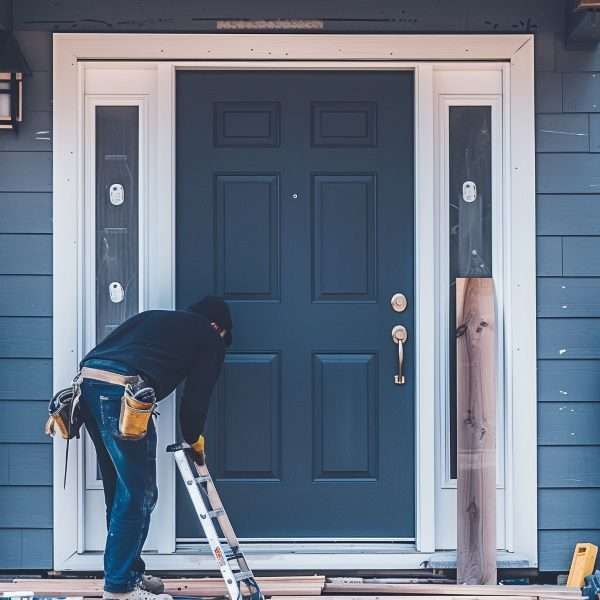
Trim installation may seem like a finishing detail, but in Florida’s environment, it plays a much more important role. Trim frames your windows and doors, defines your architectural style, hides framing imperfections, and protects interior surfaces from moisture and wear. When installed correctly, trim enhances both beauty and durability. When installed poorly, it can warp, crack, or pull away from walls in just one season.
Homeowners in St. Augustine, Nocatee, Palm Valley, and surrounding areas often assume trim work is a simple DIY task—until gaps appear, corners fail to meet cleanly, or Florida’s humidity causes swelling and separation. This is why professional trim installation makes such a noticeable difference, especially in homes located in high-humidity or coastal environments.
This guide explains how trim installation works, why climate matters, the advantages of hiring an expert, and what Florida homeowners should consider when choosing trim materials and styles.
Understanding Trim’s Role in Florida Homes
Trim isn’t only decorative. In Florida homes, it serves several structural and functional purposes:
1. Protecting Walls From Moisture
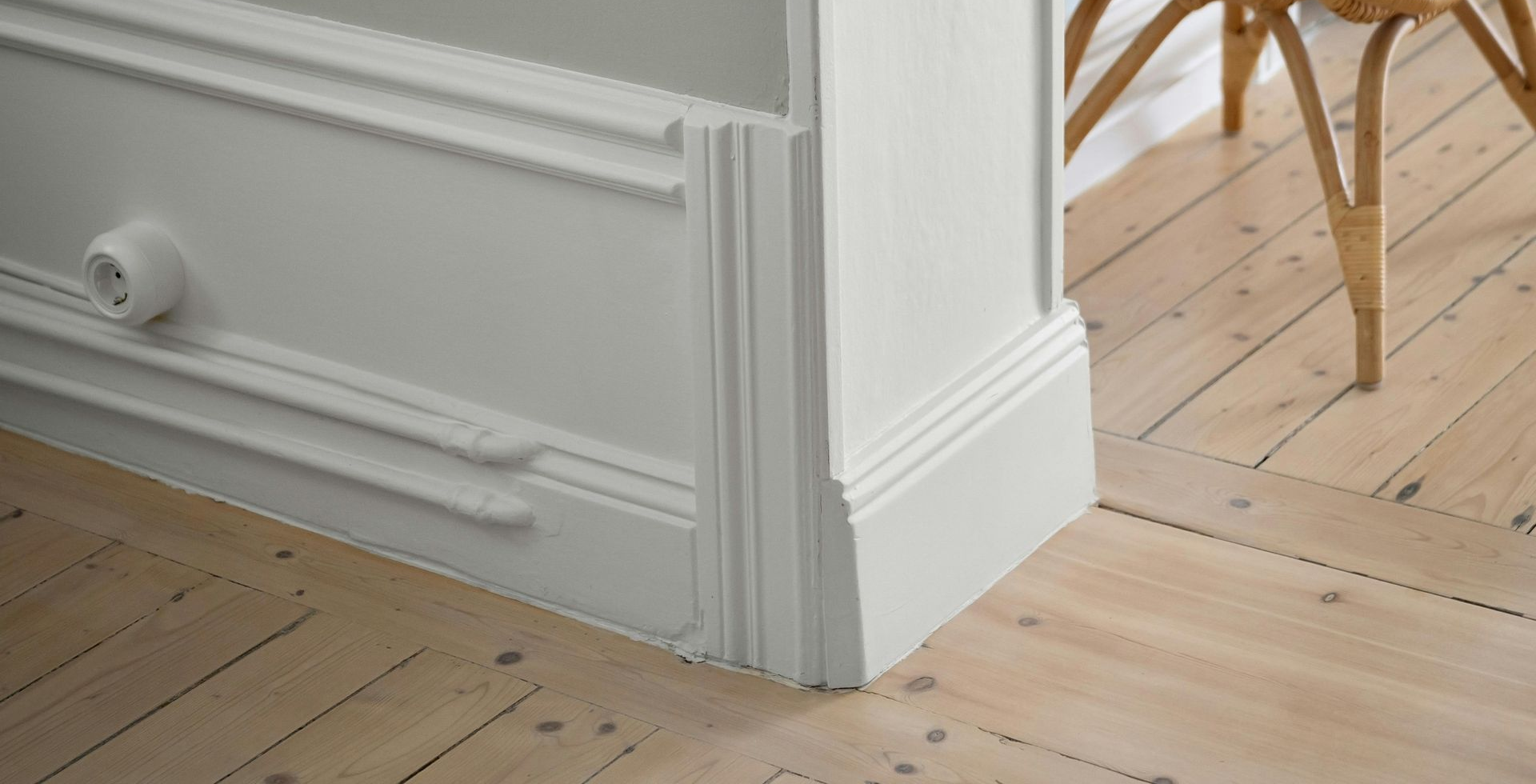
Humidity, mopping, spills, and condensation can impact drywall. Baseboards create a protective barrier that reduces water damage.
2. Concealing Imperfections
Walls in older Florida homes are rarely perfectly straight. Trim hides uneven edges, inconsistent framing, and gaps where flooring meets the wall.
3. Enhancing Architectural Style
Trim defines the character of your home. Whether coastal modern, traditional, or Craftsman, trim shapes your interior identity.
4. Increasing Home Value
A home with updated, professionally installed trim looks cleaner, newer, and more cohesive—attributes that appeal to buyers.
Why Florida Climate Makes Trim Installation More Challenging
Florida’s climate affects homes differently than other parts of the country. Trim must be installed with these conditions in mind:
High Humidity Year-Round
Humidity causes wood and low-grade MDF to expand and contract. If trim isn’t acclimated before installation or if the wrong adhesives are used, seams split and boards warp.
Salt Air in Coastal Areas
Salt accelerates material breakdown. Homes near the coast—including Vilano Beach, Crescent Beach, and St. Augustine Beach—require moisture-resistant trim materials and corrosion-resistant fasteners.
Heavy Rain and Flooding Risks
Moisture intrusion from storms affects bottom trim. Professionals know how to seal vulnerable joints and choose materials that resist mold and rot.
Natural Foundation Movement
Florida homes, especially older ones, settle over time. Trim must be installed with techniques that allow slight movement without cracking.
Benefits of Professional Trim Installation
While DIY installation may seem tempting, trim requires precision tools, knowledge of materials, and experience working with Florida’s environment.
1. Perfect Corners and Seamless Joints
Trim work involves complex cuts:
- Mitered corners
- Coped joints
- Scribing to uneven walls
Professionals ensure each piece fits perfectly, creating clean lines that instantly elevate the space.
2. Correct Material Selection
Different areas of a home require different trim materials. A pro helps you choose the right option for each room.
Common materials include:
- PVC trim for bathrooms, laundry rooms, or coastal environments
- High-density MDF for interior walls away from moisture
- Hardwoods for high-end or historic properties
- Moisture-resistant composites for kitchens and high-humidity zones
Using the wrong material often leads to premature failure.
3. Proper Acclimation and Installation
Trim must be acclimated to your home’s humidity levels before installation. Professionals:
- Store trim flat
- Allow acclimation for 24–48 hours
- Seal end grains
- Use adhesives suited for Florida’s climate
These steps prevent warping and separation.
4. Consistent Style and Design
Professionals know how to match trim profiles with:
- Existing doors
- Window casings
- Baseboards
- Crown molding
- Stair trim
This ensures your home’s interior has a consistent, polished look rather than mismatched pieces.
5. Smooth, High-Quality Finishing
Filling, sanding, and caulking are just as important as installation. A pro delivers smooth, paint-ready surfaces with no visible nail holes or uneven caulk lines.
Popular Trim Styles for Florida Homes in 2025
Homeowners across St. Johns County are choosing trim styles that blend modern design with coastal influences.
Shaker-Style Trim
Clean lines with minimal detailing—perfect for new homes in Nocatee or St. Augustine Shores.
Craftsman Trim
Ideal for bungalows and historic homes. Features wider casings and simple profiles.
Cove and Step Crown Molding
Adds height and elegance to living rooms, dining rooms, and master bedrooms.
Board-and-Batten Accent Walls
A trendy option in Florida homes, especially for entryways and bedrooms.
Wainscoting
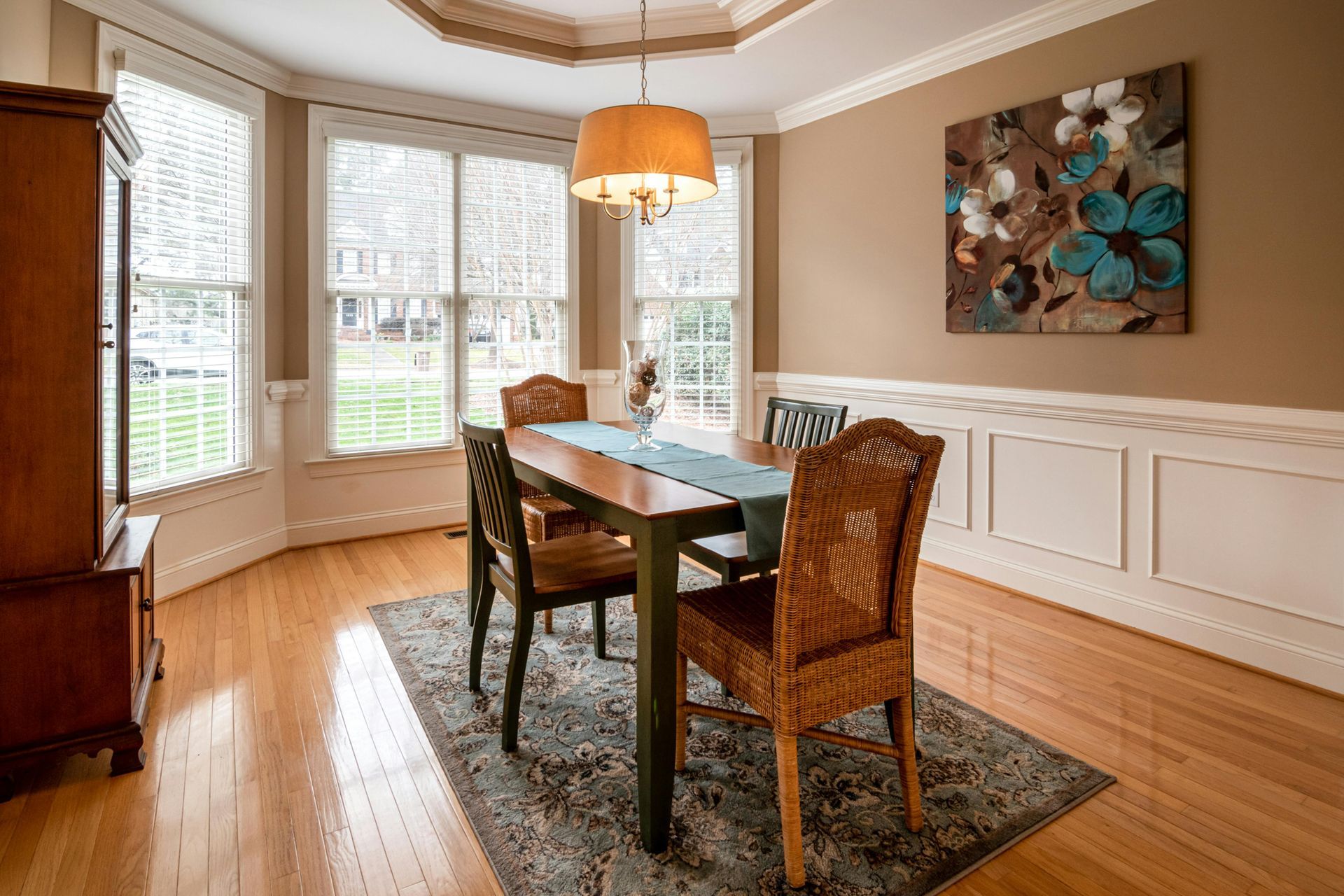
Protects walls and enhances style in hallways and dining spaces.
Each design choice influences installation technique, which is another reason professional work is recommended.
How Trim Installation Works: Step-by-Step
A professional trim installation typically includes:
1. Assessment
Measuring walls, checking for uneven surfaces, and identifying moisture risks.
2. Material Selection
Choosing trim materials that match your style and climate needs.
3. Preparation
Acclimating trim, prepping surfaces, removing old trim, and marking stud locations.
4. Installation
Cutting pieces with precision tools, coping corners, leveling trim, and securing with finish nails or adhesives.
5. Filling and Sealing
Covering nail holes, sanding smooth, and sealing joints to withstand Florida humidity.
6. Painting or Staining
Applying the appropriate finish to protect the trim and enhance its appearance.
Common Issues Caused by Poor Trim Installation
Homeowners often notice problems a few months after DIY installations:
- Gaps appearing between walls and trim
- Corners splitting apart
- Baseboards pulling away from walls
- Cracked caulk lines
- Uneven paint absorption
- Warping from humidity
These issues almost always come down to improper technique or unsuitable materials.
Frequently Asked Questions
What is the best trim material for Florida homes?
PVC and moisture-resistant MDF hold up best in humid environments. Hardwoods work well in protected indoor areas.
How long does trim installation take?
Most rooms take a few hours. Whole-home installation varies based on size and style.
Can trim increase home value?
Yes. Updated trim dramatically improves interior appearance and contributes to buyer appeal.
Can you match existing trim in older homes?
Yes. Custom milling allows exact replication for historic or non-standard profiles.
What areas do you serve?
St. Augustine, St. Johns County, Nocatee, Palm Valley, and nearby Northeast Florida communities.
Professional Trim Installation in Northeast Florida
When your trim is installed correctly, it lasts longer, looks better, and adds timeless style to your home. Home Services of North Florida provides expert trim and molding installation designed specifically for Florida’s climate and architectural styles.
Phone:
(904) 813-0470
Email:
dbduett@gmail.com
Business Hours: Monday–Friday, 8:30 AM to 5:00 PM
Serving: St. Augustine, St. Johns County, Palm Valley, Nocatee, and nearby areas