DIY home improvement is more popular than ever, especially with endless how-to videos and tutorials available online. While some small tasks are safe and manageable for most homeowners, others pose serious risks—especially in Florida, where heat, humidity, hurricanes, and local building codes make many repairs more complex than they appear.
Across St. Augustine, St. Johns County, Nocatee, and the surrounding areas, homeowners often run into unexpected problems when attempting certain repairs on their own. What starts as a simple weekend project can quickly turn into structural damage, code violations, expensive fixes, or even safety hazards. This guide explains the most common DIY home repair mistakes Florida homeowners should avoid and why hiring a qualified professional is often the smarter choice.
Why DIY Repairs Are Riskier in Florida
Florida’s environment and construction style create unique challenges not found in other regions. Before attempting any repair, it's important to understand how local conditions can affect the outcome.
1. High Humidity
Humidity impacts materials such as wood, drywall, paint, adhesives, grout, and sealants. DIY repairs often fail prematurely because moisture wasn’t accounted for.
2. Coastal Air and Salt Exposure
Homes near St. Augustine Beach, Vilano Beach, and Crescent Beach frequently experience corrosion on metal components.
3. Heavy Rain and Storm Season
Even minor mistakes in exterior repairs can lead to water intrusion, mold growth, and structural damage.
4. Building Codes and Permit Requirements
Florida has strict regulations, especially regarding structural, electrical, and exterior work. DIY repairs can put homeowners at risk of violating code, voiding insurance coverage, or failing home inspections.
5. Hidden Damage in Older Homes
Many homes in St. Augustine are historic or decades old. What seems like a small repair may reveal deeper issues such as rot, outdated wiring, or settling.
These factors make certain repairs risky to attempt without professional training.
DIY Repairs Florida Homeowners Should Avoid
Below are the projects most likely to go wrong when attempted without the proper tools, knowledge, or licensing.
1. Structural Repairs
Anything involving load-bearing walls, framing, or foundational elements should always be handled by a professional.
Risks include:
- Weakening support beams
- Misjudging load direction
- Cracked drywall throughout the home
- Sagging floors or ceilings
Because many Florida homes have settled over time, even small framing changes can affect the whole structure.
2. Electrical Work
DIY electrical repairs are illegal in many cases and extremely dangerous. Florida’s humidity increases the risk of:
- Short circuits
- Shock hazards
- Corrosion in connections
- Electrical fires
Licensed electricians understand state codes and ensure wiring is safe and compliant.
3. Plumbing Repairs Beyond Minor Fixes
Tightening a loose faucet or replacing a showerhead is fine. However, homeowners should avoid:
- Replacing supply lines
- Installing new drains
- Reconfiguring water lines
- Fixing leaks inside walls
A small mistake can lead to major water damage, mold growth, or costly emergency repairs.
4. Drywall Repair for Water-Damaged Areas
Surface patches are manageable, but full drywall replacement—especially when caused by leaks—requires understanding:
- Moisture mapping
- Mold prevention
- Proper sealing
- Florida humidity effects
Improperly repaired drywall will show seams, bubbles, or mold within weeks.
5. Installing or Replacing Windows
Older Florida homes often have non-standard window openings, settled framing, and moisture damage. DIY window installation frequently leads to:
- Leaks
- Air gaps
- Failed seals
- Drafts
- High energy bills
In storm-prone areas, incorrect installation also increases the risk of window failure during high winds.
6. Siding Replacement
Siding must be sealed and installed correctly to prevent water intrusion. Errors can cause:
- Mold spread inside walls
- Structural rot
- Pest infestations
- Warping from heat exposure
Vinyl and Hardie Board both require professional techniques to perform properly in Florida climates.
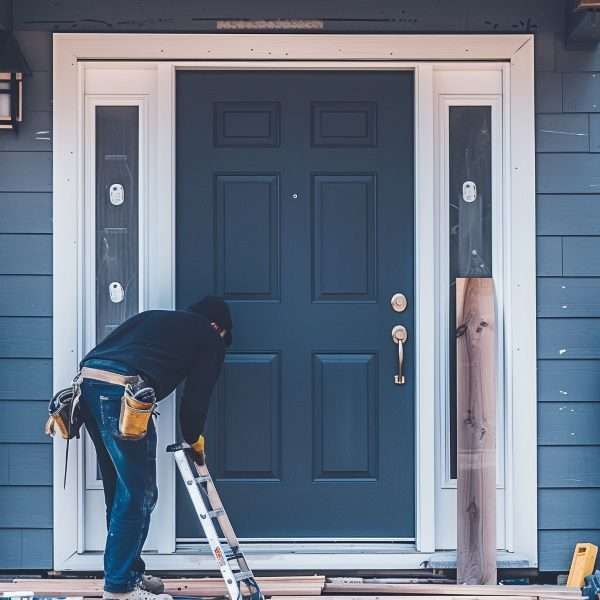
7. Door Installation and Retrofitting
Improper door installation can cause:
- Sticking doors due to humidity
- Gaps that let in moisture or insects
- Misaligned hinges
- Frame separation
Older homes rarely have perfectly square frames, making precision essential for fit and function.
8. Roofing Repairs
Climbing on a roof is dangerous by itself, but DIY roof repairs also tend to:
- Void manufacturer warranties
- Miss hidden leaks
- Lead to future water damage
- Fail under storm pressure
Florida roofs must meet specific wind-resistance standards, making professional repair critical.
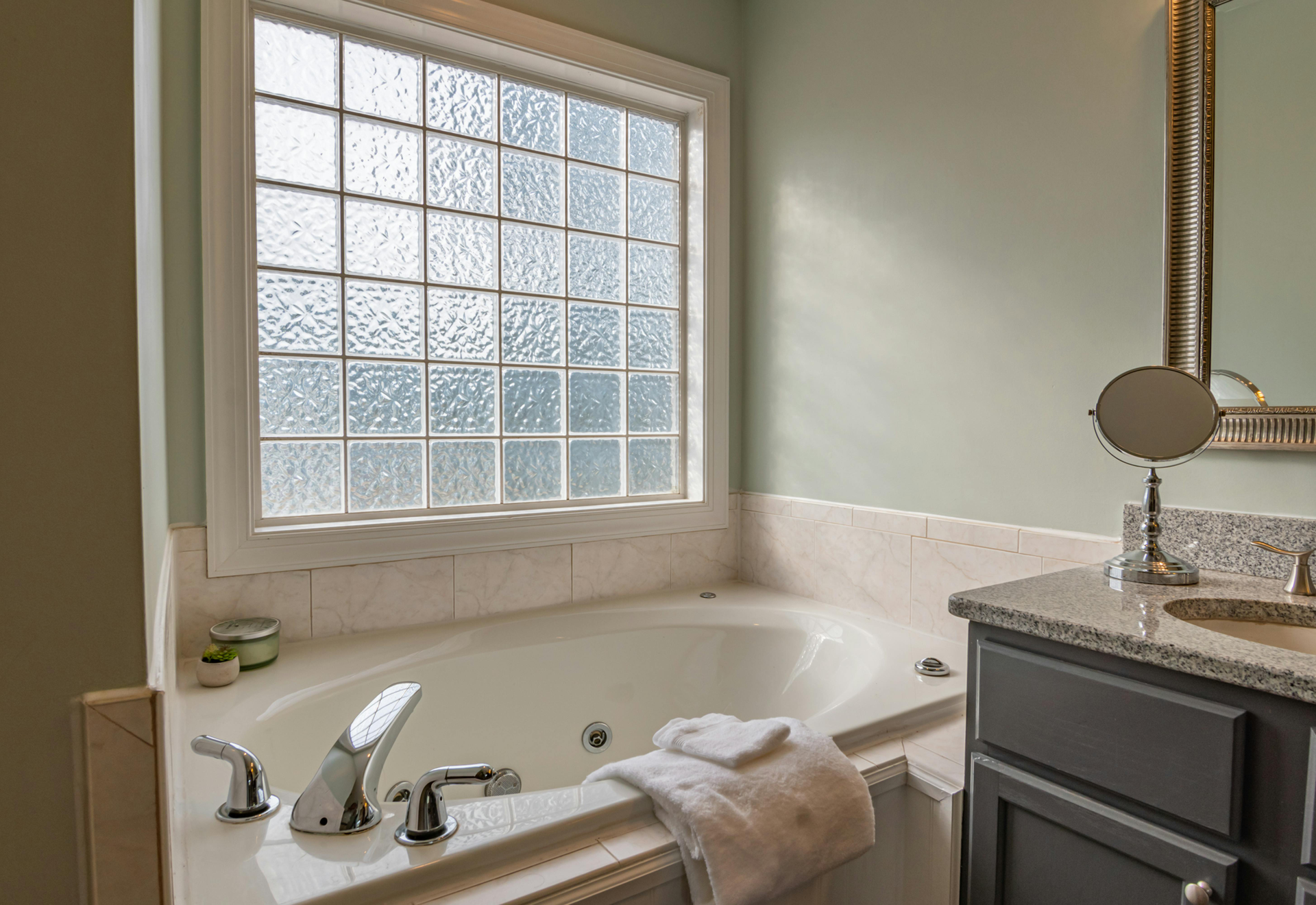
9. Tile Installation
Humidity affects grout drying times, adhesion, and spacing. DIY tile work often results in:
- Uneven tiles
- Cracked grout
- Water penetration behind tile
- Poor bonding in bathrooms and kitchens
Bathroom tile requires waterproofing layers that homeowners often skip.
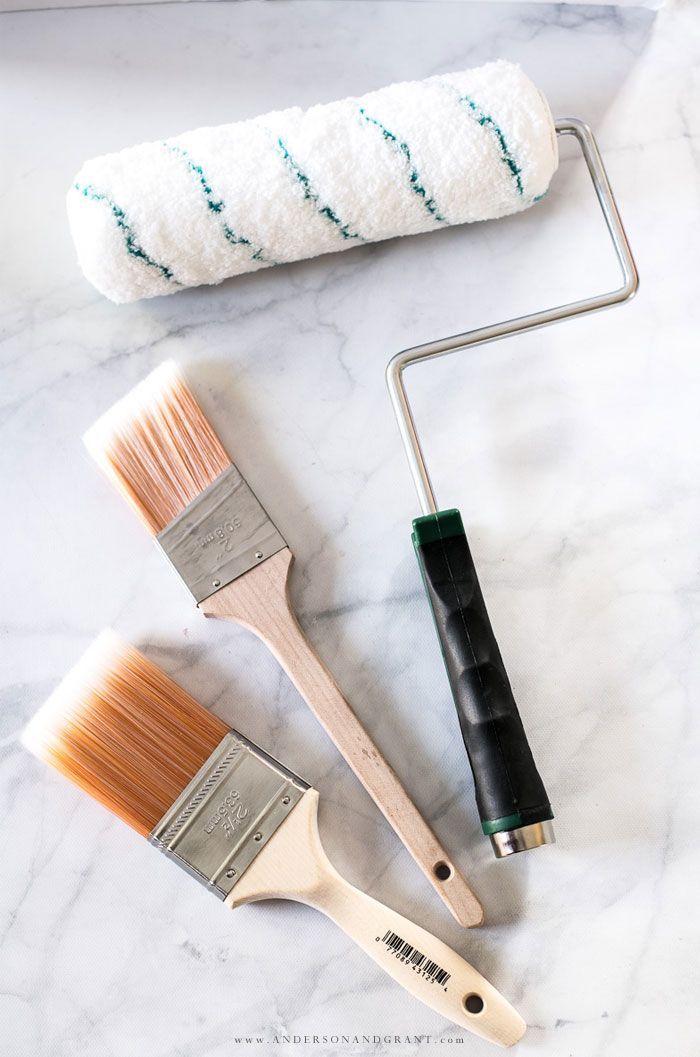
10. Exterior Painting Without Proper Prep
In Florida, exterior paint must be applied correctly to withstand sun and moisture. DIY painters often overlook:
- Pressure washing
- Mold removal
- Proper priming
- Caulk repairs
- Timing for humidity and temperature
Without these steps, new paint will peel or fade quickly.
Repairs Homeowners Can Safely Do in Florida
Not every repair requires professional help. Safe, manageable DIY tasks include:
- Changing cabinet knobs
- Installing shelving
- Painting small interior spaces
- Replacing light bulbs
- Updating bathroom hardware
- Pressure washing driveways (with proper technique)
These tasks have minimal structural risk and do not require advanced tools.
Why Professional Repair Services Are Worth It
Investing in professional repair work offers advantages that DIY cannot match, especially in Florida’s challenging climate.
1. Correct Installation
Professionals follow Florida building codes and use materials suited for heat and humidity.
2. Long-Term Durability
Repairs completed correctly the first time last years longer.
3. Storm Preparedness
Homes with professional repairs withstand high winds and rain more effectively.
4. Insurance Protection
Improper DIY work can void insurance coverage after a storm or water event.
5. Improved Appearance and Function
Professional carpentry, drywall, or painting produces a cleaner and more polished finish.
Frequently Asked Questions
Is DIY work ever recommended for exterior repairs?
Minor tasks like caulking or touch-up painting are fine, but major repairs should be completed by a licensed professional.
Why do DIY repairs fail more often in Florida?
Humidity, sun exposure, and storm conditions place extra stress on building materials.
How do I know if a repair requires a permit?
Structural, electrical, plumbing, and exterior modifications typically require permits in Florida.
What are the most commonly botched DIY repairs?
Window installation, drywall repair, door retrofitting, tile installation, and plumbing fixes.
Can DIY work affect home resale value?
Yes. Visible flaws or code violations may reduce buyer confidence or require corrections.
Professional Home Repair Services in St. Augustine and St. Johns County
Home Services of North Florida provides licensed and insured home repair, carpentry, and remodeling services throughout Northeast Florida. Whether your home needs siding replacement, door retrofitting, drywall repair, or interior upgrades, our team ensures the work is done correctly, safely, and built to last.