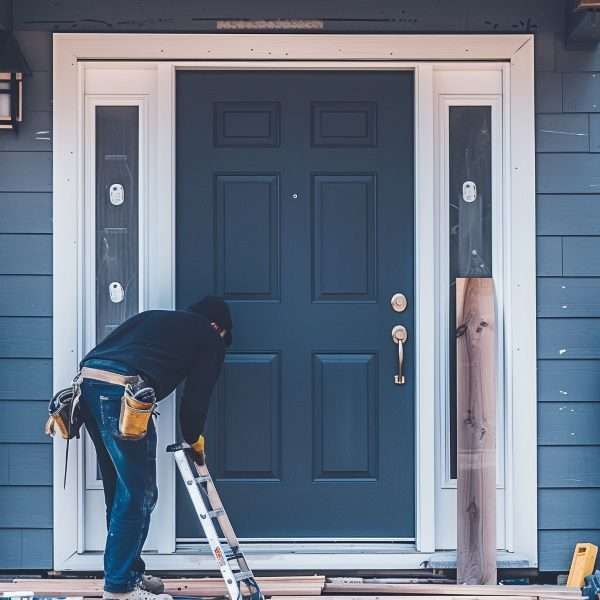
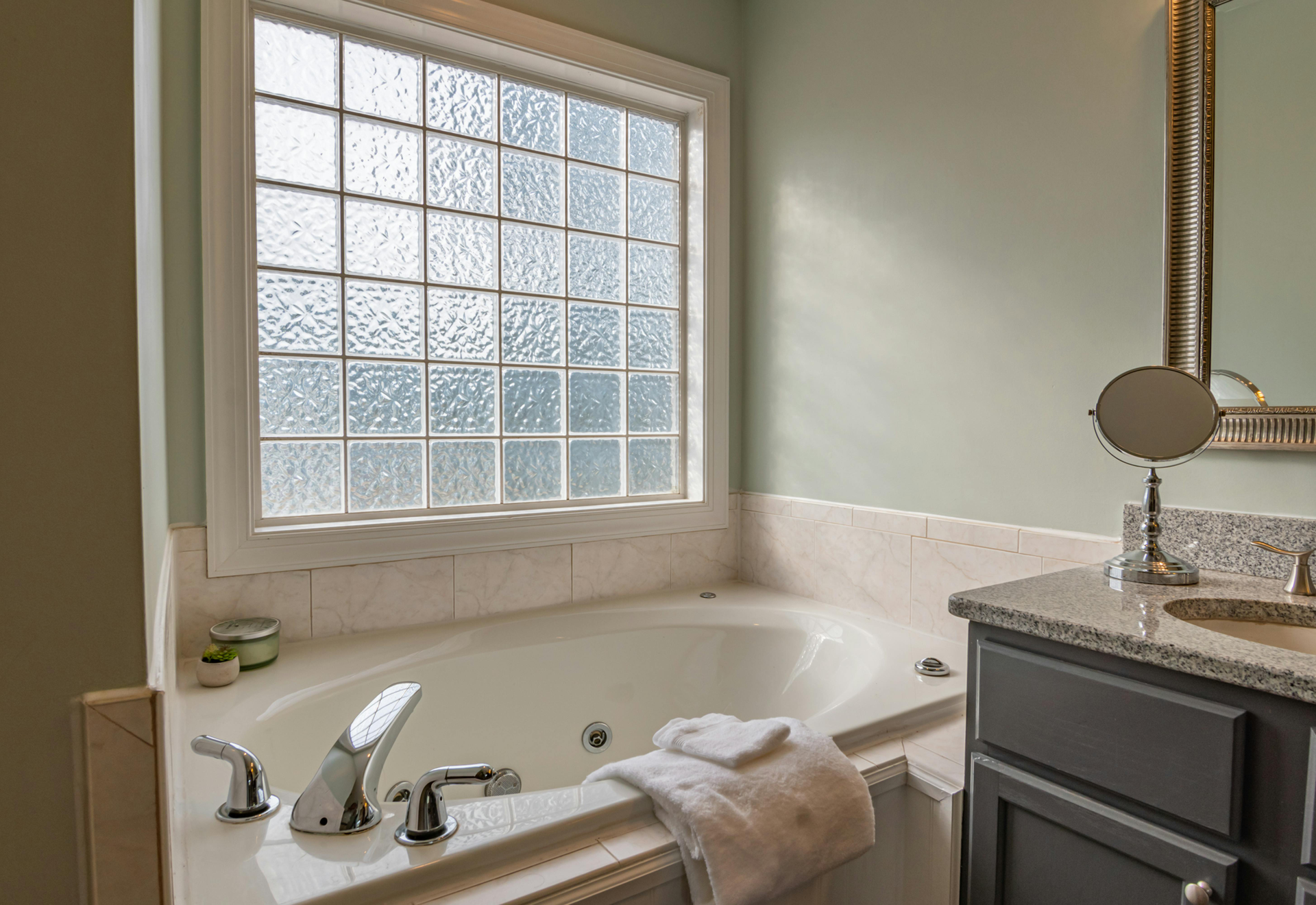
Choosing the right contractor can mean the difference between a smooth, stress-free remodel and a frustrating, costly experience. In a fast-growing area like St. Augustine and St. Johns County—where both historic homes and new construction coexist—homeowners need a contractor who understands local building codes, Florida’s climate challenges, and the unique needs of older and coastal properties.
Whether you’re planning a kitchen remodel, new siding, a bathroom upgrade, or structural carpentry repairs, selecting the right professional is essential. This guide explains how to evaluate contractors, what to look for in proposals, and how to protect your investment throughout the remodeling process.
Why Choosing the Right Contractor Matters in Northeast Florida
Homes in St. Augustine face environmental conditions that require specialized knowledge:
1. Humidity and Moisture
Contractors must understand how materials respond to Florida’s climate to prevent mold, rot, and swelling.
2. Coastal Wind and Salt Exposure
Fasteners, siding, doors, and exterior finishes require careful selection to avoid corrosion and damage.
3. Historic Home Requirements
Many areas in St. Augustine have preservation guidelines that affect materials, finishes, and exterior changes.
4. Florida Building Codes
Projects involving windows, electrical, plumbing, structural changes, or exterior modifications must meet strict state and local permitting requirements.
A skilled contractor ensures your remodel is safe, durable, and compliant.
Step 1: Verify Licensing, Insurance, and Credentials
Before anything else, confirm that the contractor is legally qualified to work in Florida. This protects you from liability and ensures work meets state standards.
Licensing
A reputable contractor will hold:
- A valid Florida contractor license
- Additional trade-specific licenses (if needed)
- Registration for work in St. Johns County
Use Florida DBPR’s license lookup to confirm status.
Insurance and Protection
The contractor should carry:
- General liability insurance
- Workers’ compensation
- Vehicle and equipment coverage
This protects your home and finances if accidents occur during the project.
Experience with Your Type of Remodel
Not all contractors specialize in:
- Historic home work
- Carpentry retrofits
- Kitchen and bathroom remodeling
- Siding or window replacements
Choose someone with direct experience in the service you need.
Step 2: Review Portfolio and Past Work
A strong portfolio provides insight into craftsmanship, style, and consistency. When assessing past work, look for:
- Clean finishing details
- Quality trim installation
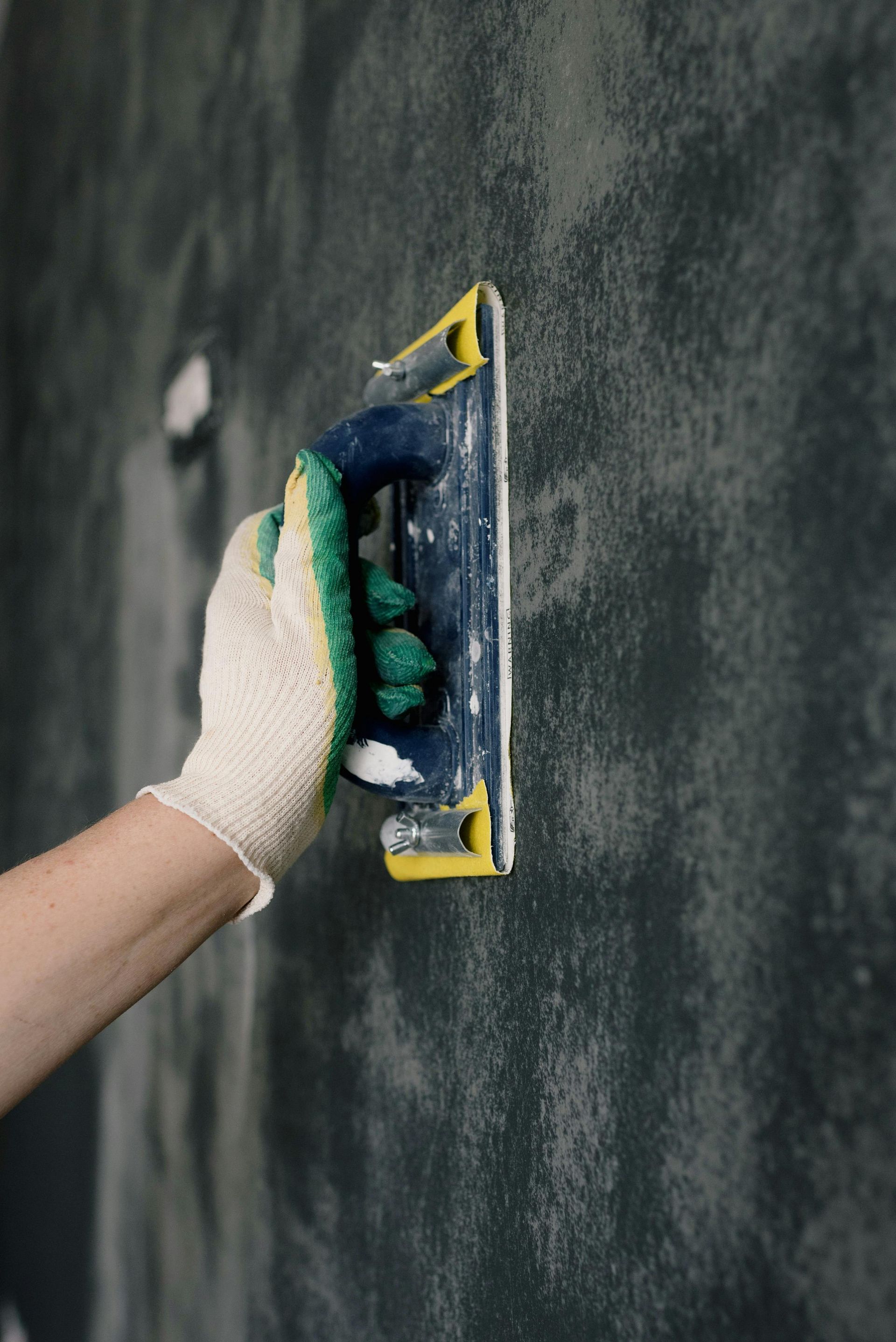
- Smooth drywall and painting
- Tight-fitting doors and windows
- Before-and-after transformations
Florida homeowners should also look for signs that the contractor understands moisture control and material selection appropriate for the region.
Testimonials and Reviews
Check:
- Google Business Profile
- Facebook
- Local community groups
- Remodeling forums
- Neighborhood recommendations
You’re looking for patterns of reliability, good communication, and workmanship—not just perfection.
Step 3: Compare Detailed Written Estimates
A professional contractor provides a clear, itemized estimate outlining:
- Scope of work
- Materials and product brands
- Labor costs
- Project timeline
- Payment terms
- Permitting requirements
- Warranty information
Avoid contractors who provide vague or verbal estimates. Transparency up front prevents misunderstandings later.
Step 4: Ask the Right Questions During Consultations
Meeting with contractors allows you to understand their process, communication style, and expertise. Here are questions Florida homeowners should ask:
1. How long have you been working in Northeast Florida?
Experience in local climate conditions is essential.
2. What materials do you recommend for Florida’s humidity and storms?
Answers should include moisture-resistant options and impact-rated products.
3. Do you handle permitting and inspections?
Most remodeling work requires permits.
4. Will you be on-site, or will a crew handle the project?
You’ll want to know who to expect daily.
5. How do you manage unexpected issues, such as wood rot or hidden damage?
Older homes often uncover surprises.
6. What is your communication process?
Regular updates are important for long projects.
Step 5: Look for Red Flags
Avoid contractors who:
- Request large upfront payments
- Will not show license or insurance
- Refuse to put agreements in writing
- Quote prices far below the market average
- Pressure you to start immediately
- Lack verifiable reviews or references
While low pricing can be tempting, unusually cheap estimates often lead to problems like shortcuts, inferior materials, or incomplete work.
Step 6: Evaluate Professionalism and Communication
Successful remodeling depends on clear communication and organization. Signs you’ve found a strong contractor include:
- Prompt responses
- Respect for your time and home
- Willingness to answer questions
- Ability to explain processes clearly
- Providing written documentation without delay
Contractors who take the time to educate homeowners usually produce better results.
Step 7: Understand Warranties and Guarantees
Reliable contractors provide warranties on:
- Labor
- Materials
- Installation
This protects your investment and ensures accountability. Florida’s climate can stress materials more quickly, so quality guarantees matter.
Why Local Experience Is Essential in St. Augustine
Contractors familiar with St. Augustine and St. Johns County offer valuable advantages:
1. Knowledge of Local Codes and Permits
Florida’s building codes vary by zone—especially wind-borne debris regions.
2. Understanding of Historic Architecture
Many older homes require specialized carpentry, retrofitting, or custom work.
3. Familiarity With Coastal Climate Challenges
Salt air, humidity, and storms demand advanced material selection.
4. Relationships With Local Suppliers
This supports faster material sourcing and better pricing.
Local contractors tend to complete projects more efficiently than out-of-town companies.
Frequently Asked Questions
How far in advance should I book a contractor?
Many reputable contractors schedule months out, especially during busy seasons.
Do all remodeling projects require permits?
Any structural, plumbing, electrical, siding, or window work typically requires a permit in Florida.
Should I get multiple estimates?
Yes. Comparing at least three estimates helps you understand market pricing and scope differences.
How do I know if a contractor works with subcontractors?
Ask during your consultation—both approaches can be good depending on project size.
Is it important for a contractor to specialize in older homes?
Yes. Older St. Augustine homes often require custom carpentry, retrofits, and specialized repair knowledge.
Home Services of North Florida: Trusted Contractor for St. Augustine and St. Johns County
Home Services of North Florida provides expert carpentry, remodeling, and home improvement services throughout Northeast Florida. With experience in both historic and modern homes, we deliver high-quality craftsmanship suited to Florida’s climate and architectural styles.