Drywall issues are extremely common in Florida homes due to humidity, storm damage, settling soil, plumbing leaks, and daily wear. Small dents or nail pops are easy to fix, but more serious damage—like bubbling paint, soft spots, or cracks—requires careful evaluation. Knowing whether to repair or fully replace drywall can save homeowners in St. Augustine, St. Johns County, Nocatee, and surrounding areas both time and money.
This detailed guide explains the different types of drywall damage, how Florida’s climate affects wall surfaces, when repair is sufficient, and when replacement becomes necessary.
Why Drywall Problems Are So Common in Florida Homes
Florida’s environment creates perfect conditions for drywall deterioration if moisture penetrates the surface.
1. High Humidity
Humidity can cause:
- Soft or sagging drywall
- Bubbling paint
- Mold or mildew growth
- Joint tape separation
Older homes without upgraded ventilation systems experience the most issues.
2. Frequent Plumbing Leaks
Many Florida homes develop hidden leaks from:
- Bathrooms
- AC condensation lines
- Water heaters
- Roof leaks
Drywall absorbs moisture like a sponge, making it highly vulnerable.
3. Foundation Settlement
Expansive soils and moisture shifts cause small structural movements, leading to:
- Cracked corners
- Stair-step cracks near windows
- Stress lines across ceilings
Older St. Augustine homes often experience more settling than newer builds.
4. Storm Damage
Wind-driven rain can enter through:
- Damaged siding
- Roof leaks
- Window frame gaps
When moisture reaches drywall, timely evaluation is crucial.
Types of Drywall Damage Found in Florida Homes
Identifying the type of damage is the first step in deciding whether to repair or replace the drywall.
1. Minor Surface Damage
Examples:
- Nail pops
- Small dents
- Light scuffs
- Hairline cracks
These can usually be repaired quickly with joint compound and sanding.
2. Moisture Stains
Brown or yellow stains indicate water exposure. If the area is dry and the leak is fixed, spot repairs may be possible. If the stain returns, deeper damage is likely.
3. Soft or Sagging Drywall
This indicates significant water absorption.
Soft drywall is structurally compromised and
must be replaced, not patched.
4. Mold or Mildew
Florida humidity accelerates mold growth in damp drywall.
Signs include:
- Odor
- Dark spots
- Powdery mildew
- Soft textures
Any drywall affected by mold should be removed completely.
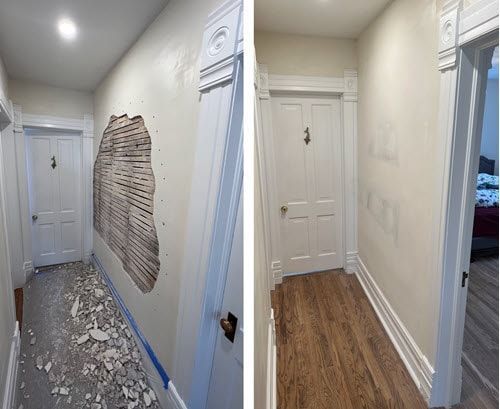
5. Large Holes
Holes larger than a few inches typically require replacement of a full drywall section rather than patching.
6. Deep Cracks
Cracks wider than 1/8 inch, especially those that reappear after repair, often signal structural movement.
Repair vs. Replacement: How to Decide
Below is a breakdown of when drywall can be repaired and when it should be replaced entirely.
When Repair Is the Better Option
Repair is appropriate when:
1. Damage Is Surface-Level
Nail pops, scuffs, dents, and hairline cracks rarely require full replacement.
2. The Moisture Source Has Been Eliminated
If a leak has been repaired and the drywall is completely dry, spot repairs may be sufficient.
3. Cracks Are Related to Minor Settling
Small settling cracks can be filled, taped, and refinished.
4. The Drywall Is Structurally Sound
If there is no softness or bowing, the drywall is usually stable enough for repair.
When Drywall Should Be Replaced
Replacement is the best choice when:
1. The Drywall Is Soft, Mushy, or Warped
These are clear signs of water damage. Soft drywall has lost its structure and cannot be salvaged.
2. Mold Is Present
Florida humidity makes mold a major concern. Drywall harboring mold spores must be removed to prevent health issues.
3. There Are Large Holes or Multiple Damaged Areas
Patching several spots is less efficient than replacing a full drywall section.
4. The Ceiling Is Sagging
Ceiling drywall is more vulnerable due to gravity and moisture exposure. Sagging sections require replacement.
5. Damage Comes From Flooding
Once drywall has been submerged or soaked by floodwater, replacement is mandatory to remove bacteria and contaminants.
6. Repeated Cracks Keep Appearing
Chronic cracks may indicate:
- Foundation movement
- Improper installation
- Poor-quality materials
Replacement allows reinforcement and prevents future issues.
Florida-Specific Drywall Considerations
Florida’s conditions require special materials and techniques when repairing or installing drywall.
Moisture-Resistant Drywall
Greenboard or mold-resistant drywall is recommended for:
- Bathrooms
- Kitchens
- Laundry rooms
- Garages
Proper Ventilation Upgrades
Bathrooms without exhaust fans commonly develop moisture issues that affect drywall.
Humidity-Aware Joint Compound
Using compounds made for humid climates prevents bubbling or soft seams.
Sealing and Priming
Stain-blocking primers are essential to prevent water marks from reappearing.
The Drywall Repair Process: What Homeowners Should Expect
Whether repairing or replacing drywall, the following steps are typical:
1. Damage Assessment
Determine moisture levels, extent of damage, and cause.
2. Leak Repair or Moisture Control
Before any drywall work begins, the root cause must be fixed.
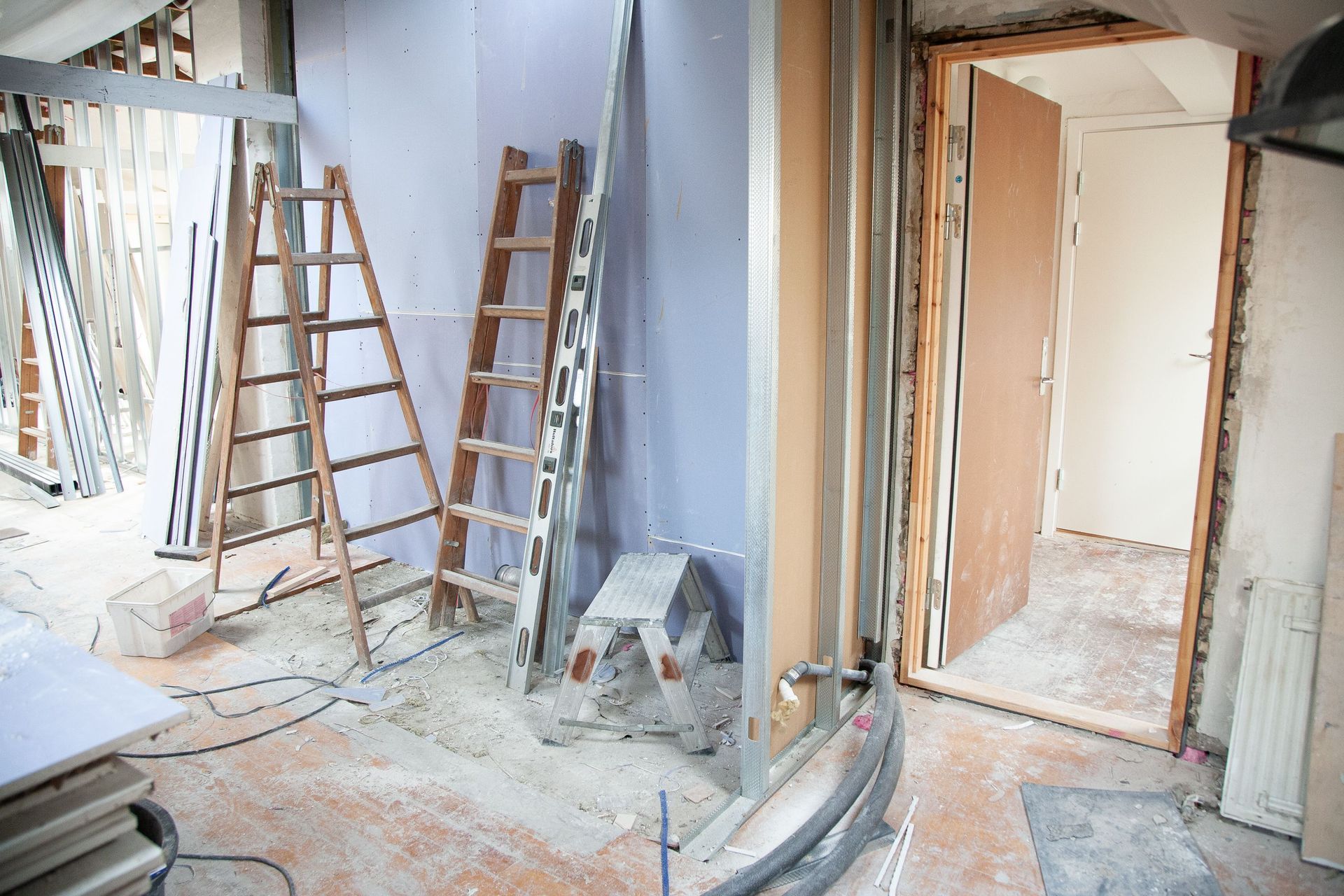
3. Removal of Damaged Material
Soft, moldy, or severely cracked areas are cut out cleanly.
4. Repair or Replacement
Depending on severity, drywall is patched or replaced in sections.
5. Taping and Mud Application
Joint tape and multiple layers of compound create a smooth finish.
6. Sanding and Texture Matching
Experienced technicians blend repaired areas seamlessly with existing walls.
7. Priming and Painting
High-quality primer and paint seal the surface and restore appearance.
Frequently Asked Questions
How can I tell if drywall is still wet?
If it feels soft, looks swollen, or shows new stains, moisture is still present. Moisture meters offer accurate readings.
Can drywall dry out on its own?
Sometimes, but damaged or mold-prone areas should still be inspected.
What causes recurring cracks?
Foundation settlement, poor installation, or temperature fluctuations.
How long does drywall replacement take?
Small sections may take a few hours. Larger areas require drying time for compound layers and can take several days to complete.
Is mold in drywall dangerous?
Yes. Mold spores can affect indoor air quality and should be removed promptly.
Drywall Repair and Replacement for Northeast Florida Homes
Home Services of North Florida provides high-quality drywall repair and replacement throughout St. Augustine, St. Johns County, Nocatee, Palm Valley, and nearby Florida communities. From water-damaged walls to cracked ceilings and full replacements, we ensure durable, seamless results suited to Florida’s climate.