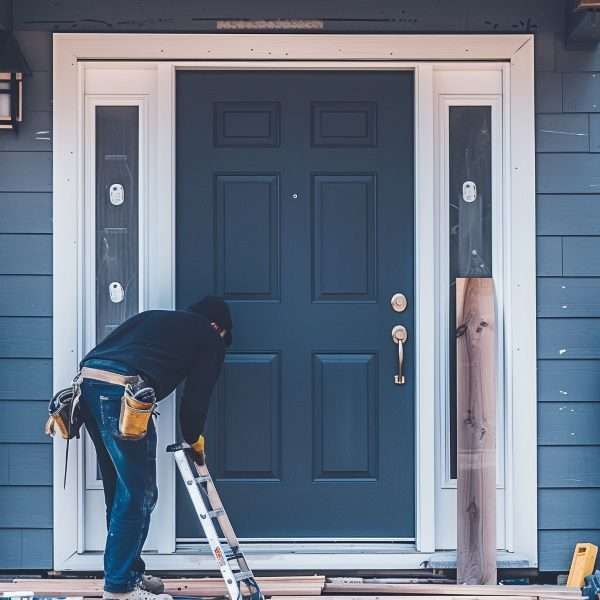
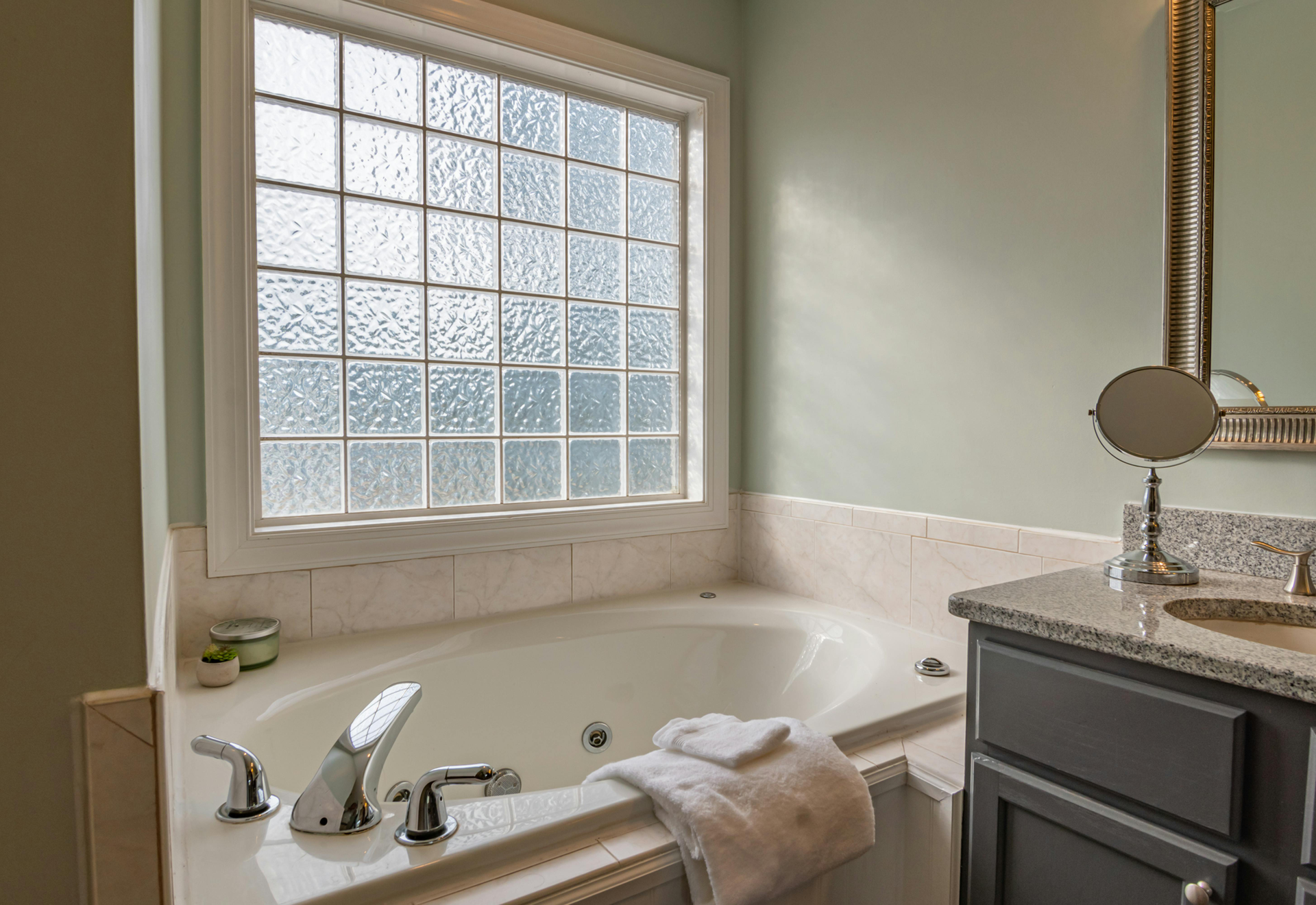
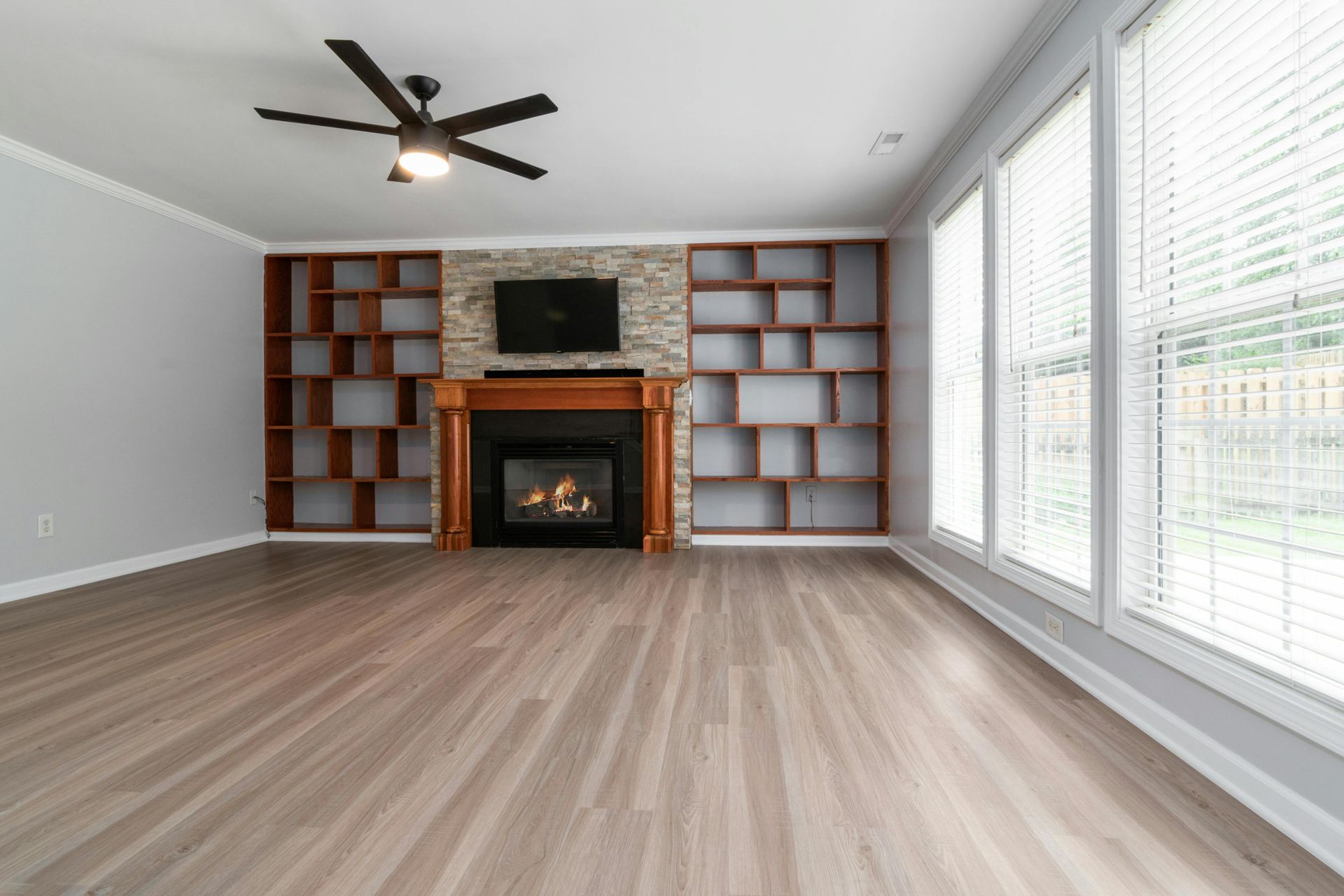
Painting is one of the most effective ways to refresh and protect your home, but in Florida, not all paints—or painting methods—perform the same. Between intense sun exposure, heavy rainfall, humidity, salt air, and year-round temperature fluctuations, homeowners must choose the right products and techniques to ensure long-lasting results. Whether you live in a historic home near downtown St. Augustine or a more modern property in St. Johns County or Nocatee, understanding the differences between interior and exterior painting is essential.
This detailed guide explains how Florida’s climate affects paint performance, the differences between interior and exterior paint formulas, common issues homeowners face, and how professional painting services help extend the life of your home’s finishes.
Why Florida Homes Require Special Attention When Painting
Florida’s climate is one of the harshest in the United States for paint longevity. Both interior and exterior surfaces can suffer premature wear if not prepared and painted correctly.
Climate factors affecting exterior paint:
- High UV exposure causing fading
- Heavy rainfall leading to blistering
- Extreme humidity slowing drying times
- Salt air causing corrosion and peeling
- Hurricane-force winds damaging siding and coatings
Climate factors affecting interior paint:
- Moisture from kitchens, bathrooms, and laundry rooms
- Mold and mildew growth
- Temperature swings that cause expansion and contraction
- High indoor humidity affecting adhesion
Every room and surface needs the correct paint type, finish, and preparation method to ensure durability.
Understanding the Difference Between Interior and Exterior Paint
Many homeowners assume paint is universal—but interior and exterior formulas are designed to withstand very different conditions.
Exterior Paint: Built to Withstand the Florida Elements
Exterior paint must protect your home from weather and structural movement. Quality exterior paint formulas include:
1. UV-resistant additives
These reduce fading and chalking, which is essential for sunny areas like St. Augustine and Ponte Vedra.
2. Mildew-resistant properties
Florida’s humidity makes mildew one of the most common causes of paint failure.
3. Flexible binders
Exterior paint expands and contracts with siding and trim as temperatures fluctuate.
4. Stronger adhesion qualities
Necessary for siding materials like Hardie Board, wood, stucco, and PVC trim.
5. Water-resistant resins
These prevent moisture intrusion during heavy rain.
Interior Paint: Designed for Beauty and Indoor Protection
Interior paint prioritizes cleanability, low odor, and resistance to indoor wear.
Key features include:
1. Scrubbable finishes
Ideal for kitchens, children’s bedrooms, and high-traffic areas.
2. Stain-resistant formulas
Help maintain a clean appearance.
3. Low- or zero-VOC options
Essential for maintaining indoor air quality.
4. Mold-resistant additives
Important in bathrooms, laundry rooms, and humid spaces.
5. Softer, smoother finishes
Designed for walls, ceilings, trim, and cabinetry.
Interior paint is not engineered to tolerate direct sunlight, extreme moisture, or outdoor temperature shifts.
Common Exterior Painting Challenges in Florida
Exterior paint fails faster in Florida if surfaces are not properly prepared or if low-quality materials are used. Homeowners often encounter:
1. Peeling and Flaking
Often caused by moisture behind the paint or improper priming.
2. Fading and Chalking
UV exposure bleaches pigments, especially with darker colors.
3. Mold and Mildew Growth
Frequently seen in shaded areas or north-facing walls.
4. Blistering
Occurs when paint is applied to hot or damp surfaces.
5. Cracking
Happens when paint cannot expand and contract with siding.
These issues can significantly shorten the lifespan of your exterior paint job.
Common Interior Painting Issues in Florida Homes
Interior surfaces may seem protected, but Florida’s humidity creates unique problems indoors as well.
1. Moisture Damage in Bathrooms and Kitchens
Paint can bubble or peel if moisture levels are not accounted for.
2. Mold Growth
Especially common in older homes or poorly ventilated spaces.
3. Stains and Surface Wear
High-traffic areas need durable finishes that resist scuffs.
4. Poor Adhesion on Glossy Surfaces
Cabinets and trim need proper sanding, degreasing, and priming.
5. Cracking from Indoor Temperature Changes
Air conditioning cycles can cause expansion and contraction.
Quality preparation prevents these problems and extends the life of your interior paint.
Choosing the Right Paint Finish for Florida Homes
The paint’s finish affects appearance, durability, and cleanability.
Interior Paint Finishes
- Flat/Matte: Best for ceilings or low-traffic walls
- Eggshell: Great for most living areas
- Satin: Ideal for kitchens, baths, and hallways
- Semi-Gloss: Best for trim, doors, and cabinetry
- High-Gloss: Used for furniture and accent areas
Exterior Paint Finishes
- Flat: Hides imperfections but is less washable
- Low-Sheen/Satin: Most popular for siding
- Semi-Gloss: Best for doors, trim, and shutters
Choosing the correct finish improves longevity and reduces maintenance.
How Professional Painting Services Improve Long-Term Results
Professional painting offers significant advantages, especially in Florida’s climate.
1. Proper Surface Preparation
Includes scraping, sanding, caulking, patching, and cleaning.
Most paint failures occur because this step is rushed or ignored.
2. Correct Material Selection
Professionals know which paints perform best on:
- Stucco
- Hardie Board
- Wood siding
- Drywall
- Trim
- Coastal environments
3. Climate-Aware Application
Proper timing is crucial. Painting too early in the morning or too hot in the afternoon creates adhesion failures.
4. Tools and Equipment for Precision
Sprayers, sanders, moisture meters, and scaffolding help achieve a high-quality finish.
5. Longer-Lasting Results
A professional paint job often lasts years longer than a DIY application, saving homeowners money over time.
Frequently Asked Questions
How often should a Florida home be repainted?
Exterior paint typically lasts 5–8 years in Florida, depending on the material and sun exposure. Interiors can last 7–10 years on average.
What is the best exterior paint for Florida homes?
High-quality acrylic latex or elastomeric paint designed for humid and coastal environments.
Can I paint during summer in Florida?
Yes, but timing must avoid peak heat, afternoon storms, and high humidity levels.
Do older homes in St. Augustine require special preparation?
Yes. Many need rot repair, stucco patching, or primer designed for aged materials.
What colors hold up best in Florida?
Lighter colors reflect heat and resist fading better than dark tones.
Professional Painting Services for Northeast Florida Homes
Home Services of North Florida provides interior and exterior painting tailored for the state’s demanding climate. From prepping walls and repairing surfaces to applying durable coatings that withstand humidity and heat, we help homeowners in St. Augustine, St. Johns County, Nocatee, and surrounding areas protect and beautify their homes.